
Sciatica can turn ordinary moments — standing up from a chair, climbing into the car, walking the dog — into sharp reminders that something deeper is wrong. The hallmark shooting pain, numbness, or tingling that travels from your lower back through your hip and down your leg is more than a nuisance; it’s your body signaling that the sciatic nerve, the longest nerve in your body, is irritated or compressed. The good news is that with an accurate diagnosis and the right plan, most patients find meaningful, lasting relief.
At Princeton Brain, Spine & Orthopedics, our fellowship-trained neurosurgeons, orthopedic spine specialists, and rehabilitation team have been treating sciatica for nearly two decades across New Jersey and Eastern Pennsylvania. We combine advanced diagnostic imaging, evidence-based conservative care, and minimally invasive surgical expertise to identify the true source of your nerve pain — not just the symptoms. Our patient-centered approach means you’ll always understand what’s happening, what your options are, and why we’re recommending a particular path forward.
What is Sciatica?
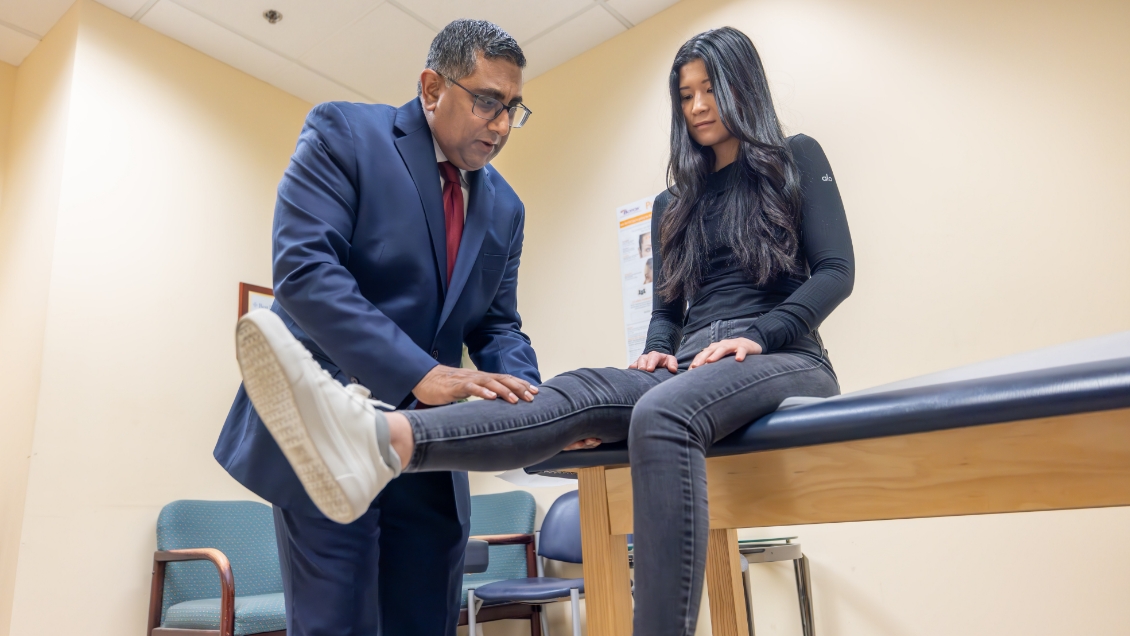 What is Sciatica?
The sciatic nerve plays a crucial role in providing feeling and movement to the lower body. It runs from the lower back down through the hips and buttocks and into each leg. When it’s affected by problems like a herniated disc, arthritis, or excess bone growth, it can lead to the pain, weakness, and disruption that are the hallmark symptoms of sciatica.
Symptoms of Sciatica
Sciatica often begins in the lumbar spine due to natural degenerative processes and can cause a range of painful symptoms, including:
- Discomfort that typically starts in the lower back and can travel down through the buttock, thigh, and calf.
- Pain intensity that varies from a dull throb to a sharp, shooting sensation.
- An electric-shock-like feeling that runs down the leg.
- Worsening symptoms with coughing, sneezing, or prolonged sitting.
- Symptoms that usually affect one side of the body, creating asymmetrical discomfort.
Sciatica brings not just pain but also sensory issues that add to the distress of the person suffering. These may include numbness, tingling, or weakness in the affected leg, making it harder to use normally. It can be a strange contrast: while one part of the leg is in intense pain, another part feels oddly numb. This mix of sensations highlights what makes sciatica unique — overlapping signals from a single irritated nerve.
Causes of Sciatica
If you are suffering from sciatic nerve pain, your doctor will conduct a thorough assessment of your condition to identify what is causing the problem. Understanding the underlying cause of sciatica is crucial in developing an effective treatment strategy.
The following are typical of the conditions that result in sciatic pain:
- Arthritis: Osteoarthritis in the spine can damage the cushioning discs and cartilage between the vertebrae. As the damage worsens, the sciatic nerve may become irritated or inflamed, and the risk of a herniated disc rises along with it.
- Herniated or Bulging Discs: One of the most common causes of sciatica is a herniated or bulging disc in the spine. When a disc slips out of place or protrudes into the spinal canal, it can press on the sciatic nerve and cause pain.
- Spinal Stenosis: Spinal stenosis is a condition in which the spinal canal narrows, putting pressure on the nerves that pass through it. This can lead to symptoms of sciatica as well as weakness or numbness in the legs.
- Degenerative Disc Disease: Over time, the discs in the spine can wear down and deteriorate. This can change how the vertebrae move and interact, potentially causing compression of the sciatic nerve.
- Piriformis Syndrome: The piriformis muscle is located deep within the buttocks and can sometimes become tight or inflamed, compressing the sciatic nerve as it passes through or beneath the muscle.
- Trauma or Injury: In some cases, trauma such as a car accident or a fall can damage the spine or surrounding structures and result in sciatica.
- Obesity: Excess weight places additional pressure on the muscles that maintain spinal alignment. Over time, this strain can contribute to the displacement of the spinal discs.
Diagnosis of Sciatica
Recognizing when to seek medical help for sciatica is crucial for managing this complex condition. While mild cases may improve over time as the body heals, symptoms that persist beyond a week or worsen typically require evaluation by a specialist spine doctor. What’s more, certain warning signs — such as sudden numbness or weakness in a leg, pain following an accident, or changes in bowel or bladder control — require immediate medical attention. These signs could indicate more serious underlying issues that need prompt treatment to prevent complications.
Treatment for Sciatica
The causes of sciatica are complex, involving both internal and external factors that affect the sciatic nerve. One major factor is when herniated discs press on the nerve roots in the lower back, leading to inflammation and nerve pressure. Similarly, bone spurs on the vertebrae can compress the nerves and worsen sciatica symptoms. In rare cases, sciatica can be caused by tumors pressing on the sciatic nerve, producing severe symptoms.
Because the underlying causes of sciatica vary, several treatment options are available, depending on symptom severity and the specific cause of the pain.
Common treatments include:
- Pain Medication: Over-the-counter nonsteroidal anti-inflammatory drugs (NSAIDs), such as ibuprofen, can reduce inflammation and relieve sciatica-related pain. In more severe cases, prescription medications such as muscle relaxants may be necessary.
- Physical Therapy: Your spine doctor or physical therapist can design a customized exercise program to strengthen the muscles supporting the spine and improve flexibility. Physical therapy can also improve posture, helping to relieve pressure on the sciatic nerve.
- Epidural Steroid Injections: Injections of corticosteroids directly into the area around the spinal cord can help reduce inflammation and provide temporary relief from sciatic pain.
- Chiropractic Care: Spinal adjustments performed by a chiropractor can help realign vertebrae and alleviate pressure on the sciatic nerve.
- Surgery: In cases where conservative treatments have not provided relief, a minimally invasive procedure such as microdiscectomy may be recommended to address the underlying issue — such as a herniated disc or spinal stenosis — that is compressing the sciatic nerve.
Complications from sciatica are uncommon but significant, and require careful monitoring of symptoms. While most people recover fully from sciatica caused by herniated discs, some may experience lasting nerve damage. Signs that may indicate complications include loss of sensation or weakness in the affected limb, or problems with bowel or bladder control. Prompt medical attention is essential to address these potentially serious issues.
Preventing Sciatica
Preventing sciatica involves adopting habits that keep your spine healthy and strong. Regular exercise is key, as it strengthens the core muscles that support and stabilize your spine. Focus on movements that target your abdomen and lower back to lower your risk of sciatica. Ergonomic adjustments at work matter, too — use chairs with good lumbar support and set up your workstation to encourage healthy posture. And remember to use proper body mechanics in your daily activities, such as lifting heavy objects with your legs instead of your back, to maintain spinal health and strength.
It’s important to consult with a spine expert before starting any treatment for sciatica to determine the most appropriate course of action based on your individual needs and medical history. With proper treatment and management, most people can find relief from sciatic pain and resume their normal activities without significant limitations.
Why Choose Princeton Brain, Spine & Orthopedics for Sciatica Care
For nearly 20 years, Princeton Brain, Spine & Orthopedics has been a trusted destination for patients across New Jersey and Eastern Pennsylvania seeking expert relief from sciatic nerve pain. Our award-winning team of board-certified neurosurgeons, orthopedic spine specialists, sports medicine physicians, and rehabilitation experts brings the kind of fellowship-trained depth typically found at major academic centers — delivered with the warmth, accessibility, and personal attention of a community practice. We invest in advanced diagnostic imaging and the latest minimally invasive techniques, and we accept most major insurance plans, so you can focus on what matters most: getting back to the life you love.
Schedule Your Sciatica Consultation Today
You don’t have to live with sciatic pain. Speak with one of our caring spine experts at any of our Princeton Brain, Spine & Orthopedics locations throughout New Jersey and Pennsylvania to get to the bottom of your symptoms quickly. Contact (888) 741-7272 today to schedule your consultation and receive a personalized treatment plan designed to restore your comfort, mobility, and quality of life.
